
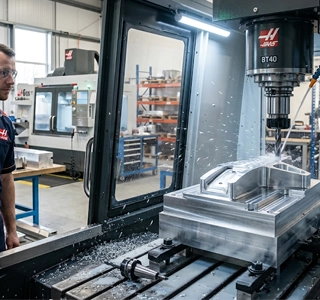
Aluminium is one of the most widely used materials in modern manufacturing because it combines low weight, strength, corrosion resistance, and good machinability. From automotive components and aerospace parts to electronic housings and industrial equipment, aluminium can be shaped into precise components for a wide range of applications. Understanding its benefits, uses, and machining considerations can help manufacturers choose the right production approach for their requirements.
Why is Aluminium Popular for Machining?
Aluminium offers a useful combination of physical and mechanical properties. Compared with many other metals, it is relatively lightweight while still providing sufficient strength for numerous engineering applications. It also has good thermal and electrical conductivity, making it useful for components that need to transfer heat or electricity. Its natural resistance to corrosion provides another advantage, particularly for products exposed to moisture or demanding environments. Another important characteristic is its machinability. Aluminium can generally be cut, drilled, milled, and finished efficiently when suitable tools, speeds, feeds, and cooling methods are selected.
Key Benefits of Aluminium Machining
- Lightweight Components: One of aluminium’s biggest advantages is its low density. Components made from aluminium can weigh significantly less than comparable steel parts. This is especially useful in industries where reducing overall weight can improve fuel efficiency, handling, transportation, or product performance. Automotive and aerospace manufacturers, for example, often use aluminium for weight-sensitive components.
- Excellent Machinability: Aluminium is generally easier to machine than many harder metals. This allows manufacturers to produce detailed components efficiently when the appropriate cutting conditions are used. Modern CNC machining aluminium processes can produce complex profiles, holes, pockets, slots, and other features with consistent dimensional accuracy. Proper tooling and machine settings are important for achieving a clean surface and preventing problems such as burr formation or material buildup on the cutting tool.
- Good Corrosion Resistance: Aluminium naturally develops a thin oxide layer when exposed to air. This layer helps protect the underlying material from corrosion. For applications requiring additional protection or a specific appearance, aluminium components can also undergo finishing processes such as anodising, powder coating, or other surface treatments.
- High Strength-to-Weight Ratio: Although aluminium is lightweight, selected aluminium alloys can provide impressive strength relative to their weight. Different alloys have different mechanical characteristics, so the choice should be based on the component’s intended application. Factors such as strength, hardness, corrosion resistance, machinability, and operating conditions should all be considered.
- Efficient Production: Computer-controlled machining can support repeatable production of aluminium components. Once a suitable design and machining program have been established, the same specifications can be reproduced across multiple parts. This makes the process suitable for prototypes as well as small- and medium-volume production runs.
Applications of Machined Aluminium
Aluminium machining is used across many industries because of the material’s versatility.
- Automotive: Automotive manufacturers use machined aluminium for brackets, housings, engine-related components, suspension parts, and other lightweight structures. Reducing component weight can contribute to overall vehicle efficiency.
- Aerospace: The aerospace sector requires materials that can provide strength without adding unnecessary weight. Aluminium alloys are widely used for various structural and non-structural aircraft components.
- Electronics: Aluminium is useful for electronic housings, heat sinks, enclosures, and mounting components because of its thermal conductivity and lightweight nature.
- Industrial Equipment: Machined aluminium components can be found in machinery, automation systems, pumps, fixtures, and equipment housings. The material can provide a practical balance between durability, weight, and manufacturability.
- Consumer Products: Aluminium is also used in consumer products where appearance, weight, and durability are important. It can be machined into housings, frames, handles, brackets, and other precision components.
Important Considerations before Machining Aluminium
Choosing aluminium does not automatically guarantee a successful machining process. Several factors should be evaluated before production begins.
- Material Grade: Different aluminium alloys offer different levels of strength, hardness, corrosion resistance, and machinability. Selecting the appropriate grade is essential for achieving the required performance.
- Tool Selection: Tool geometry and material can influence machining performance. Sharp cutting tools and suitable tool coatings can help achieve cleaner cuts and reduce issues related to heat and material adhesion.
- Cutting Parameters: Spindle speed, feed rate, depth of cut, and other machining parameters need to be selected according to the alloy, component geometry, tooling, and machine capabilities. Incorrect settings can affect surface quality, dimensional accuracy, tool life, and production efficiency.
- Heat Management: Aluminium conducts heat efficiently, but machining can still generate significant heat at the cutting zone. Appropriate coolant or lubrication strategies may be required depending on the operation.
- Surface Finish: The required surface finish should be established during the design stage. Some applications may require only standard machining, while others may need additional finishing or polishing.
- Component Design: Designing a component specifically for CNC Machining can help improve manufacturability. Features such as unnecessarily deep pockets, very thin walls, sharp internal corners, and difficult-to-reach areas may increase machining time or require specialized tooling. Design engineers should consider tool access, work holding, tolerances, and the number of machining operations required.
Aluminium Machining versus Other Materials
The right material depends on the component’s purpose. Steel may be preferred where very high strength or hardness is required, while plastics can be suitable for lightweight, insulating, or low-friction applications.
Aluminium often provides a practical middle ground by combining low weight, durability, corrosion resistance, and relatively efficient machining. Its suitability should still be evaluated according to the operating environment, load requirements, tolerances, and budget.
Aluminium remains a valuable material for precision manufacturing because of its lightweight nature, machinability, corrosion resistance, and broad range of available alloys. From aerospace and automotive components to industrial machinery and electronic housings, it can support many different manufacturing requirements.
Successful CNC machining aluminium depends on more than simply selecting the material. Alloy selection, tooling, cutting parameters, cooling, component design, tolerances, and finishing requirements all influence the final result. By considering these factors before production, manufacturers can improve component quality, reduce unnecessary machining challenges, and achieve more consistent results. For manufacturers planning a new aluminium component, working with an experienced machining provider can also help identify practical design and production considerations before the part reaches the manufacturing stage.