
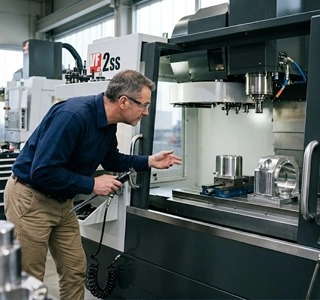
Investing in a CNC machine is a significant step for any manufacturing business. It directly impacts productivity, precision, and long-term operational efficiency. With numerous options available in the market, selecting the right supplier can feel overwhelming. This is why many businesses prefer working with top cnc machine manufacturers who can ensure quality, reliability, and long-term support.
Understand Your Business Requirements
Before exploring available machines, it is essential to clearly define your requirements.
- Type of Materials and Applications – Identify whether you will be working with metal, wood, plastic, or composites, as different materials require different machine capabilities and tooling.
- Production Capacity and Workload – Determine your daily or monthly production volume to choose a machine that can handle the required speed and output efficiently.
- Level of Precision Required – Consider how accurate your final products need to be, especially for industries like aerospace or medical manufacturing.
- Complexity of Parts – Evaluate whether you will be producing simple components or intricate designs, which may require multi-axis machines.
- Industry-Specific Requirements – Some industries have unique standards or certifications, so ensure the machine meets those specific needs.
- Available Workspace and Infrastructure – Check your workshop space, power supply, and setup capacity to ensure the machine fits and operates smoothly.
- Budget and Investment Capacity – Define your budget range while balancing performance, features, and long-term value.
- Future Expansion Plans – Choose a machine that can scale with your business growth to avoid frequent upgrades or replacements.
Types of CNC Machines Offered
- Milling Machines – Used for cutting, drilling, and shaping solid materials with high precision, ideal for complex parts and surfaces.
- Turning Machines (Lathes) – Designed for producing cylindrical components by rotating the workpiece while cutting tools shape it.
- Multi-Axis Machines – Advanced machines (3-axis, 4-axis, 5-axis) that allow complex and intricate machining from multiple angles in a single setup.
- Laser Cutting Machines – Utilize laser technology for precise cutting of metals and other materials with minimal material wastage.
- Plasma Cutting Machines – Best suited for cutting thick metal sheets quickly using a high-velocity jet of ionized gas.
- Electrical Discharge Machines (EDM) – Used for highly detailed work by eroding material with electrical sparks, ideal for hard metals and intricate designs.
- Grinding Machines – Provide fine finishing and high surface quality by removing small amounts of material.
- Specialized Machines – Custom-built machines designed for specific industries or applications, such as woodworking, aerospace, or medical manufacturing.
Technology and Software Compatibility
Modern machines rely on advanced software systems for efficient operation. Ensure the machine supports popular CAD/CAM software for seamless integration. A user-friendly control system and interface can significantly reduce training time and operational errors. Features like automation and smart monitoring can further enhance productivity.
Manufacturer’s Experience and Reputation
A manufacturer’s experience often reflects the quality of its products and services. Companies with years of industry presence usually have a strong portfolio and proven track record. Reviewing customer feedback and testimonials can provide insights into reliability and service standards. Choosing from top cnc machine manufacturers increases the chances of getting a dependable and well-supported product.
Customization and Scalability Options
Every business has unique production needs, so flexibility is key. Look for manufacturers that offer customized machine configurations tailored to your operations. Additionally, ensure the machine can be upgraded or scaled in the future as your business grows. This helps avoid the need for frequent replacements.
After-Sales Support and Service
After-sales support plays a crucial role in maintaining smooth operations. Reliable manufacturers provide installation assistance, operator training, and ongoing technical support. Easy availability of spare parts and maintenance services ensures minimal downtime and uninterrupted production.
Pricing and Total Cost of Ownership
While the initial price is an important factor, it should not be the only consideration. Evaluate the total cost of ownership, including maintenance, energy consumption, and tooling expenses. Warranty coverage and service packages can also add long-term value and reduce unexpected costs.
Delivery Time and Installation Process
Timely delivery and proper installation are essential to avoid production delays. Check the manufacturer’s lead time and logistics capabilities. A smooth setup and commissioning process, along with training, ensures that your team can start operations without complications.
Safety Features and Compliance
Safety is a critical aspect of any industrial equipment. Ensure the CNC machine includes essential safety features such as emergency stop functions and protective enclosures. Compliance with industry safety standards not only protects operators but also ensures regulatory adherence.
Energy Efficiency and Operational Costs
Energy-efficient machines can significantly reduce operating costs over time. Look for equipment designed to optimize power consumption and minimize waste. Sustainable features not only lower expenses but also contribute to environmentally responsible manufacturing.
Comparing Multiple CNC Machine Manufacturers
Before making a final decision, compare multiple suppliers based on quality, pricing, support, and features. Shortlist the most suitable options and ask detailed questions about performance, service, and warranties. Working with top cnc machine manufacturers can simplify this process, as they often provide transparent information and reliable solutions.
Common Mistakes to Avoid When Buying CNC Machines
- Focusing Only on Price – Choosing the cheapest option can lead to poor performance, frequent breakdowns, and higher long-term costs.
- Ignoring After-Sales Support – Lack of proper service, training, or spare parts availability can result in costly downtime.
- Overlooking Machine Quality – Compromising on build quality and components affects accuracy, durability, and overall productivity.
- Not Defining Requirements Clearly – Buying without understanding your production needs can result in underperforming or over-specified machines.
- Neglecting Future Scalability – Selecting a machine that cannot be upgraded or expanded may limit business growth.
- Ignoring Software Compatibility – Incompatible or outdated software can disrupt workflow and reduce efficiency.
- Skipping Proper Research – Not comparing multiple manufacturers or reading reviews can lead to poor purchasing decisions.
- Underestimating Total Cost of Ownership – Failing to consider maintenance, energy consumption, and tooling costs can increase expenses over time.
- Overlooking Safety Features – Ignoring safety standards and features can put operators at risk and lead to compliance issues.
- Rushing the Decision – Making a quick purchase without thorough evaluation often results in choosing the wrong machine.
Choosing the right CNC machine manufacturer requires careful evaluation of multiple factors, from machine quality and technology to support and cost. By understanding your requirements and comparing available options, you can make a smart investment that enhances productivity and ensures long-term success.