
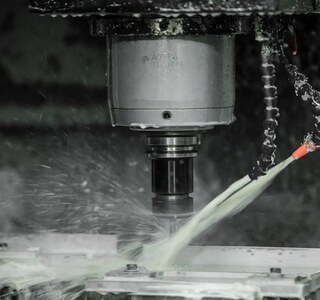
Vibration is one of the most common challenges encountered in modern manufacturing processes. While a certain level of movement is normal during machining operations, excessive vibration can negatively impact product quality, increase production costs, and shorten the lifespan of both tools and equipment. Identifying the root causes early and applying the right corrective measures helps manufacturers achieve consistent results, reduce downtime, and improve operational efficiency. Understanding the factors behind vibration is an essential part of maintaining reliable and accurate manufacturing operations.
What is CNC Machining Vibration?
Machining vibration refers to unwanted oscillations that occur between the cutting tool, workpiece, and machine during material removal. These vibrations may range from mild movements that have little effect on the finished product to severe oscillations that significantly reduce machining quality. Generally, machining vibration can be classified into three types:
- Free vibration: Occurs when the machine vibrates naturally after an external force is removed.
- Forced vibration: Results from external influences such as motor imbalance, worn bearings, or rotating components.
- Self-excited vibration: Commonly known as CNC chatter, this type develops due to the interaction between the cutting process and machine dynamics, producing repetitive vibrations that affect machining performance.
Common Signs of Machining Vibration
Several warning signs indicate that vibration may be affecting the machining process. Recognizing these symptoms early allows manufacturers to take corrective action before major damage occurs. Some of the most noticeable signs include:
- Poor surface finish on machined components
- Visible ripple or chatter marks
- Increased cutting tool wear
- Unusual machine noise during operation
- Reduced dimensional accuracy
- Frequent tool breakage
- Increased machine downtime
- Inconsistent machining quality
Major Causes of Machining Vibration
- Improper Cutting Parameters: Using incorrect spindle speeds, feed rates, or cutting depths can create unstable cutting conditions. Optimizing these settings helps reduce unnecessary machine movement while improving cutting efficiency.
- Worn or Damaged Cutting Tools: A dull or damaged cutting tool requires more cutting force, increasing vibration during machining. Regular inspection and timely replacement help maintain consistent performance.
- Excessive Tool Overhang: Long tool extensions reduce rigidity, making the cutting tool more susceptible to bending and vibration. Selecting the shortest practical tool length improves stability.
- Poor Workpiece Clamping: An inadequately secured workpiece can shift during machining, leading to excessive vibration and poor dimensional accuracy. Proper fixture selection is essential for stable machining.
- Spindle Wear: Over time, spindle bearings and rotating components wear out, reducing machine precision. Worn spindles often generate continuous vibration that affects machining quality.
- Insufficient Machine Maintenance: Neglecting routine maintenance allows minor mechanical issues to develop into larger vibration-related problems. Regular inspections keep machine components operating efficiently.
- Imbalanced Tool Holders: An improperly balanced tool holder creates uneven rotational forces, especially at higher spindle speeds. Precision-balanced holders help minimize vibration.
- Machine Foundation Problems: Machines installed on unstable or uneven foundations may experience continuous movement during operation. A rigid and level installation improves machine stability.
- Material Variations: Hard spots, inconsistent material density, or uneven stock conditions can create fluctuating cutting forces, increasing vibration throughout the machining cycle.
How Vibration Affects Manufacturing Performance?
Excessive vibration has consequences beyond surface appearance. It directly impacts production efficiency, equipment lifespan, and overall operating costs. Common effects include:
- Poor surface quality requiring additional finishing
- Reduced dimensional accuracy
- Increased cutting tool replacement costs
- Higher production time due to slower machining speeds
- Premature wear of machine components
- Increased maintenance expenses
- Reduced customer satisfaction because of inconsistent product quality
Practical Solutions to Reduce Vibration
Several practical measures can significantly reduce machining vibration and improve production consistency.
- Optimize Cutting Parameters: Selecting suitable spindle speeds, feed rates, and cutting depths reduces cutting forces while improving process stability.
- Use High-Quality Cutting Tools: Precision-engineered cutting tools maintain sharpness longer and produce smoother cutting action, reducing unwanted vibration.
- Minimize Tool Overhang: Keeping the tool as short as possible increases rigidity and reduces tool deflection during cutting operations.
- Improve Workpiece Clamping: Using rigid fixtures prevents workpiece movement and maintains consistent machining accuracy.
- Choose Vibration-Damping Tool Holders: Specialized tool holders absorb cutting vibrations and improve machining stability, especially during demanding operations.
- Balance Rotating Components: Proper balancing of tool holders, adapters, and rotating assemblies minimizes centrifugal forces that contribute to vibration.
- Inspect the Spindle Regularly: Routine spindle inspection helps identify bearing wear before it causes serious machining problems.
- Maintain Machine Alignment: Periodic alignment checks ensure machine axes remain accurate and stable throughout production.
- Apply Proper Cutting Fluid: Effective cooling and lubrication reduce cutting temperatures, improve chip evacuation, and stabilize the cutting process.
- Select Suitable Machining Strategies: Modern cutting strategies distribute cutting loads more evenly, helping reduce vibration while improving tool life and machining efficiency.
Best Practices to Prevent Vibration
Preventive maintenance remains one of the most effective ways to reduce vibration-related issues. Recommended practices include:
- Perform scheduled preventive maintenance.
- Replace worn cutting tools before failure.
- Monitor spindle condition regularly.
- Inspect fixtures and clamps before machining.
- Follow recommended machining parameters.
- Train operators on proper machine setup.
- Use quality tooling and accessories.
- Keep machines clean and properly lubricated.
Modern Technologies for Vibration Monitoring
Manufacturing technology continues to evolve with advanced monitoring systems that detect vibration before it affects production. Some of the latest innovations include:
- Real-time vibration sensors
- Predictive maintenance systems
- Smart machine monitoring
- IoT-enabled equipment monitoring
- AI-assisted vibration analysis
- Automatic tool condition monitoring
- Digital machine health tracking
These technologies help manufacturers identify problems early, reduce unexpected downtime, and improve long-term equipment reliability.
Industries Most Affected by Machining Vibration
Many industries depend on precision manufacturing where even minor vibration can affect final product quality. Industries that require strict vibration control include:
- Aerospace manufacturing
- Automotive production
- Medical device manufacturing
- Mold and die production
- Precision engineering
- Electronics manufacturing
- Heavy equipment manufacturing
Common Mistakes That Increase Vibration
Several avoidable mistakes contribute to excessive vibration during production. These include:
- Ignoring early warning signs
- Continuing to use worn cutting tools
- Using excessive tool extension
- Selecting unsuitable fixtures
- Applying incorrect cutting speeds
- Delaying routine maintenance
- Choosing low-quality tooling
- Overloading the machine beyond recommended limits
Avoiding these mistakes improves machining consistency and reduces unexpected maintenance costs.
Future Trends in Vibration Control
Emerging technologies continue to improve vibration management across modern manufacturing facilities. Future developments include:
- AI-powered machining optimization
- Adaptive cutting technology
- Smart sensor integration
- Digital twin simulations
- Automated spindle balancing
- Advanced vibration-damping materials
- Industry 4.0 connectivity
These innovations are expected to enhance production efficiency while reducing maintenance requirements and operational costs.
Effective vibration control plays a vital role in maintaining machining accuracy, extending equipment life, and improving production efficiency. By identifying the causes of vibration, implementing preventive maintenance, optimizing cutting parameters, and adopting advanced monitoring technologies, manufacturers can minimize downtime and consistently achieve high-quality results. Investing in proper CNC machining troubleshooting practices today helps create a more reliable, productive, and cost-effective manufacturing environment for the future.