
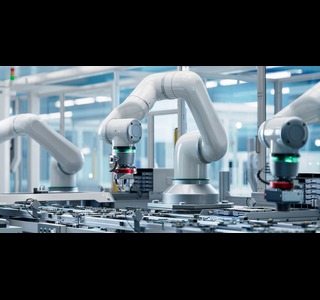
Manufacturers across industries are under constant pressure to deliver high-quality spare parts faster, more accurately, and at lower costs. Whether serving the automotive, aerospace, industrial equipment, or medical sectors, businesses need production systems that can respond quickly to changing demands without compromising precision. This is where CNC machining has transformed the manufacturing landscape. By combining digital design with computer-controlled equipment, manufacturers can produce complex components with exceptional consistency and repeatability. Today, the next phase of this evolution is being driven by intelligent automation technologies that are reshaping how spare parts are designed, produced, inspected, and delivered.
Why Spare Parts Manufacturing is Changing?
Traditional spare parts production often involves long lead times, manual interventions, and challenges related to inventory management. Companies must balance the need to maintain stock levels with the risk of overproduction and storage costs. Modern manufacturing environments demand:
- Faster turnaround times
- Greater product customization
- Reduced operational costs
- Improved quality control
- Increased production flexibility
To meet these expectations, manufacturers are adopting advanced digital solutions that streamline every stage of the production process.
The Role of Automation in Modern Manufacturing
Automation goes beyond replacing manual tasks. It creates connected production environments where machines, software, and data systems work together to improve efficiency. With the rise of CNC automation, manufacturers can optimize workflows by integrating technologies such as:
- Robotic material handling systems
- Automated tool changers
- Smart sensors and monitoring devices
- Real-time production analytics
- AI-driven scheduling software
- Automated quality inspection systems
These technologies reduce human intervention in repetitive tasks while enabling operators to focus on higher-value activities.
Key Benefits for Spare Parts Production
Automation offers several advantages that directly impact spare parts manufacturing.
- Faster Production Cycles: Automated systems can operate continuously with minimal downtime, reducing lead times and helping manufacturers meet urgent customer requirements.
- Consistent Quality: Digital controls and automated inspection processes ensure every component meets exact specifications, minimizing variations between production batches.
- Reduced Human Error: By limiting manual handling and repetitive operations, manufacturers can significantly decrease production errors and material waste.
- Improved Equipment Utilization: Connected machines provide real-time performance data, enabling manufacturers to identify bottlenecks and maximize productivity.
- Greater Flexibility: Modern systems can switch between different part designs quickly, making it easier to produce low-volume and customized components.
Smart Factories and Data-Driven Decisions
The future of spare parts manufacturing lies in smart factories where equipment communicates seamlessly through connected networks. Manufacturers can collect valuable data from every stage of production, including:
- Machine performance
- Tool wear conditions
- Production rates
- Energy consumption
- Quality metrics
This information enables predictive maintenance strategies that identify potential issues before they cause costly downtime. Data-driven insights also help businesses optimize inventory levels by producing parts based on actual demand rather than forecasts alone.
Digital Twins and Predictive Manufacturing
One of the most exciting developments in modern manufacturing is the use of digital twins. A digital twin is a virtual model of a physical production process or component. Manufacturers can simulate production scenarios, test process improvements, and identify potential issues before actual manufacturing begins. This approach helps reduce development time, improve product quality, and lower operational costs. Predictive manufacturing technologies further enhance efficiency by analyzing historical data to forecast maintenance needs, optimize scheduling, and improve resource allocation.
Sustainability Through Automation
Sustainability is becoming an essential priority for manufacturers worldwide. Automated production systems contribute to greener operations by:
- Reducing material waste
- Optimizing energy usage
- Minimizing rework and scrap
- Lowering transportation costs through localized production
- Supporting on-demand manufacturing models
Producing spare parts only when needed helps organizations reduce excess inventory while improving supply chain resilience.
Challenges to Consider
While automation offers significant advantages, successful implementation requires careful planning. Manufacturers should consider factors such as:
- Initial Investment Costs: Implementing automation requires significant upfront spending on equipment, software, integration, and infrastructure upgrades.
- Workforce Training Requirements: Employees need proper training to operate, monitor, and maintain automated systems effectively.
- Cybersecurity Risks: Connected manufacturing systems can be vulnerable to cyber threats if robust security measures are not in place.
- Integration with Existing Systems: Incorporating new automation technologies into legacy equipment and workflows can be complex and time-consuming.
- Ongoing Maintenance Needs: Automated equipment requires regular maintenance, software updates, and monitoring to ensure optimal performance and minimize downtime.
A phased implementation approach can help businesses adopt new technologies gradually while minimizing disruption.
The future of spare parts manufacturing will be shaped by intelligent systems that combine robotics, artificial intelligence, connected devices, and advanced analytics. As these technologies continue to evolve, CNC machining will become even more efficient, enabling manufacturers to deliver high-quality components with greater speed and flexibility. Organizations that invest strategically in CNC automation today will be better positioned to improve productivity, reduce costs, and meet the growing demand for precision spare parts in the years ahead.