
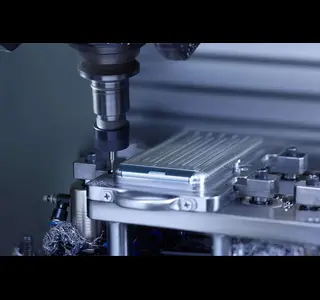
In today’s highly competitive manufacturing industry, controlling production costs is essential for maintaining profitability and staying ahead of competitors. Businesses involved in spare parts manufacturing often face challenges such as rising material prices, tooling expenses, labor costs, and machine maintenance requirements. While these factors can significantly impact production budgets, there are several practical strategies that can help manufacturers reduce costs without sacrificing quality.
Modern CNC machining has revolutionized the production of precision components, making it possible to manufacture complex parts with exceptional accuracy and consistency. However, maximizing the benefits of CNC technology requires careful planning, process optimization, and efficient resource management. By implementing the right cost-saving measures, manufacturers can improve productivity, reduce waste, and enhance overall operational efficiency.
Key Factors That Influence CNC Spare Parts Manufacturing Costs
Before exploring cost-reduction strategies, it is important to understand the primary factors that affect manufacturing expenses. Material costs, machining time, tooling wear, labor requirements, machine downtime, and quality control processes all contribute to the overall cost of production. Identifying areas where inefficiencies exist allows manufacturers to make informed decisions that lead to significant savings.
- Optimize Material Selection: Material selection plays a critical role in determining manufacturing costs. Choosing materials that meet performance requirements without exceeding specifications can help reduce expenses. In some cases, alternative materials may offer similar durability and functionality at a lower cost. Manufacturers should also consider machinability when selecting materials. Materials that are easier to machine generally require less cutting time, reduce tool wear, and improve overall production efficiency. Proper material planning can also minimize waste and maximize material utilization.
- Improve CNC Programming Efficiency: Efficient programming is one of the most effective ways to lower production costs. Well-optimized tool paths reduce machining time, eliminate unnecessary machine movements, and improve cycle efficiency. Advanced CAD/CAM software enables programmers to simulate machining operations before production begins. This helps identify potential issues, optimize cutting strategies, and reduce costly errors. Even small improvements in machining cycles can generate substantial savings when producing large quantities of components.
- Select the Right Cutting Tools: Tooling costs represent a significant portion of manufacturing expenses. Using the correct cutting tools for specific materials and applications helps maximize tool life and improve machining performance. High-quality tools may have a higher initial cost, but they often provide better durability and require fewer replacements. Regular tool inspection and maintenance also help prevent unexpected failures that can interrupt production and increase costs.
- Reduce Material Waste: Material waste directly impacts profitability. Implementing efficient material utilization strategies can significantly lower production expenses. Careful planning of part layouts and cutting patterns helps minimize scrap generation. Manufacturers can also explore opportunities to recycle or reuse leftover materials whenever possible. Accurate material forecasting further reduces the likelihood of excess inventory and unnecessary waste.
- Increase Machine Utilization: Idle machines represent lost productivity and increased operating costs. Maximizing machine utilization is essential for improving manufacturing efficiency. Preventive maintenance programs help keep equipment operating at peak performance while reducing unexpected breakdowns. Proper scheduling ensures that machines spend more time producing parts and less time waiting for setups or repairs. Monitoring machine performance can also reveal opportunities for process improvements.
- Implement Automation and Smart Manufacturing: Automation has become a valuable tool for reducing manufacturing costs and increasing productivity. Automated loading and unloading systems can reduce labor requirements and improve consistency. Smart manufacturing technologies provide real-time insights into machine performance, production status, and maintenance needs. These systems help manufacturers make data-driven decisions that improve efficiency and reduce operational costs. Automated processes also minimize human errors, leading to better product quality and reduced rework.
- Standardize Spare Part Designs: Complex designs often require additional machining operations, specialized tooling, and longer production times. Standardizing component designs wherever possible can significantly reduce manufacturing costs. Designing parts with manufacturability in mind simplifies production processes and minimizes machining complexity. Standardized features can also reduce setup times and allow manufacturers to use common tools across multiple production runs.
- Optimize Batch Production: Producing components in well-planned batches can help reduce setup costs and improve machine efficiency. Frequent machine changeovers consume valuable production time and increase labor requirements. By grouping similar jobs together, manufacturers can reduce setup frequency and maximize machine productivity. Larger production batches often lead to lower per-unit costs, making batch optimization an important cost-saving strategy.
- Maintain Proper Coolant and Lubrication Systems: Effective coolant and lubrication systems are essential for maintaining machining efficiency and extending tool life. Proper cooling reduces heat generation during cutting operations, preventing premature tool wear and improving surface finish quality. Well-maintained coolant systems also help protect machine components from excessive wear, reducing maintenance costs and extending equipment lifespan. Regular monitoring and maintenance of coolant systems ensure optimal performance and contribute to overall cost reduction.
- Invest in Skilled Workforce and Training: Even with advanced manufacturing technology, skilled operators remain essential for efficient production. Properly trained personnel can identify problems quickly, optimize machining processes, and minimize costly mistakes. Regular training programs help employees stay updated on the latest manufacturing techniques, machine capabilities, and safety practices. A knowledgeable workforce contributes to higher productivity, improved quality, and reduced waste throughout the production process.
- Use Quality Control to Prevent Rework: Defective parts can significantly increase manufacturing costs due to material waste, additional labor, and production delays. Implementing strong quality control measures helps detect issues before they become expensive problems. In-process inspections, precision measurement systems, and standardized quality procedures ensure that parts meet specifications throughout the manufacturing cycle. Preventing defects at the source is far more cost-effective than correcting problems after production is complete.
- Leverage Advanced CNC Technologies: Modern manufacturing technologies offer numerous opportunities for cost reduction. Multi-axis machining systems can complete complex parts in fewer setups, reducing labor and production time. High-speed machining techniques improve productivity by removing material more efficiently while maintaining accuracy. Advanced monitoring systems and digital manufacturing solutions provide valuable insights that help optimize operations and reduce unnecessary expenses. As CNC machining technology continues to evolve, manufacturers who adopt innovative solutions gain a competitive advantage through improved efficiency and lower production costs.
- Partner with Reliable Suppliers: Reliable suppliers play an important role in controlling manufacturing expenses. Consistent material quality helps prevent production issues, while dependable delivery schedules reduce downtime caused by material shortages. Strong supplier relationships often lead to better pricing, improved support, and more predictable supply chain performance. Working with trusted partners ensures smoother operations and contributes to long-term cost savings.
Reducing manufacturing costs requires a comprehensive approach that addresses every stage of production. From selecting the right materials and optimizing machining programs to implementing automation and strengthening quality control, each improvement contributes to greater efficiency and profitability.
Manufacturers that focus on continuous process improvement can significantly lower expenses while maintaining high standards of quality and precision. By adopting these strategies, businesses can enhance productivity, reduce waste, and achieve sustainable success in today’s competitive manufacturing environment.