
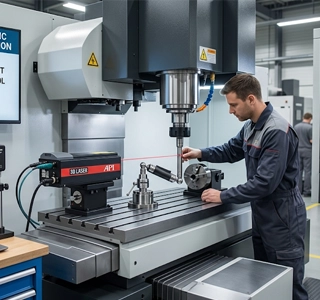
Regarded as a fundamental aspect of CNC machine maintenance, calibration involves fine-tuning and adjusting the machine’s settings to ensure consistent and accurate performance over time. This vital process ensures precision, repeatability, and overall manufacturing quality. Regular maintenance is essential to prevent deviations due to wear and tear, thereby maintaining the machine’s precision and extending its longevity.
Over time, even the most advanced machines experience wear and slight deviations that can impact accuracy. Proper adjustment helps correct these inconsistencies, ensuring optimal performance and extending the lifespan of critical CNC machine parts. By following industry best practices, manufacturers can maintain high standards, reduce defects, and avoid costly downtime.
Why Does CNC Calibration Matter?
CNC calibration is the process of testing and adjusting a machine’s accuracy to make sure that it continues to produce parts with consistent quality and repeatability. The main strength of CNC machines is the precise machining services they provide, and without proper maintenance, this capability can be affected.
Creating a regular schedule is an important aspect in extending the life of your CNC machine. By following a consistent routine, you can catch any deviations before they lead to costly errors or machine breakdowns. To ensure optimal performance, it is recommended to carry out this process at least once every three to six months, depending on usage. More frequent checks may be necessary in high-volume production environments.
Top Best Practices for Tool Calibration
Tool calibration is important to ensure tools produce accurate and reliable measurements in support of product quality. The process adjusts out-of-specification tools back to their original performance accuracy. Best practices aim to proactively maintain tools instead of waiting until they no longer produce accurate and reliable measurements, while also ensuring measurement traceability.
- Proactive Tool Calibration: Tool adjustment plays a crucial role in achieving precise machining results. Instead of waiting for tools to fail or produce inaccurate measurements, a proactive approach ensures they remain reliable at all times. This reduces production errors and maintains consistent output quality, especially in high-precision industries.
- Predefined Calibration Schedules: A structured schedule is key to maintaining tool accuracy and reliability. Tool manufacturers may suggest interval recommendations, while factors such as usage frequency, working environment, and performance history help determine the right timing.
- Ensuring Measurement Traceability: Another key best practice is maintaining detailed records of processes, standards used, and results obtained. This allows measurements to be traced back to recognized national or international standards, ensuring reliability and compliance. It also helps identify inconsistencies and supports continuous improvement.
- Controlling Environmental Factors: Temperature changes can cause materials to expand or contract, while humidity and vibrations can affect measurement stability. Maintaining a controlled environment during maintenance helps ensure precise results and protects sensitive machine parts from unnecessary stress. By minimizing external influences, manufacturers can achieve more reliable and repeatable outcomes.
- Usage of Precision Measurement Tools: Using high-quality instruments such as micrometers, dial indicators, and laser interferometers helps detect even minor deviations in machine performance. Advanced equipment enables precise adjustments, ensuring that machines operate within required tolerances. Proper upkeep of these tools is also necessary to maintain their accuracy.
- Axis Alignment and Machine Geometry Checks: Ensuring correct alignment of machine axes is crucial for achieving dimensional accuracy. Misalignment can lead to tapering, poor surface finishes, and inconsistent part dimensions. Regular geometry checks help maintain proper alignment and ensure smooth, precise machine movement.
- Spindle and Base Calibration: Proper spindle alignment ensures that cutting tools operate correctly, while a level machine base prevents distortions during operation. Techniques such as ballbar testing and level checks help identify deviations and ensure the machine is functioning optimally.
- Documentation and Continuous Improvement: Maintaining detailed records is essential for quality control and process improvement. Documentation helps track machine performance over time, identify recurring issues, and ensure compliance with industry standards. Analyzing these records supports better efficiency and reduced operational costs.
- Avoiding Common Calibration Errors: Errors during the process can lead to inaccurate results and compromised product quality. Common issues include improper measurement techniques, lack of environmental control, and insufficient operator training. Implementing standardized procedures and proper training helps maintain consistent accuracy across operations.
Implementing best practices for CNC machine tool calibration is essential for maintaining precision, improving product quality, and extending machine lifespan. From establishing regular schedules and ensuring traceability to using advanced tools and controlling environmental conditions, each step contributes to reliable performance. By prioritizing proper maintenance and supporting critical CNC machine parts, manufacturers can achieve consistent results, reduce defects, and enhance overall operational efficiency.